Why Your Branding Should Start Before Your Website Does
Build a brand before your website. Learn why brand clarity leads to smarter design, better copy, and higher-converting sites.Blog post description.
Jessica Judd
10/22/20254 min read
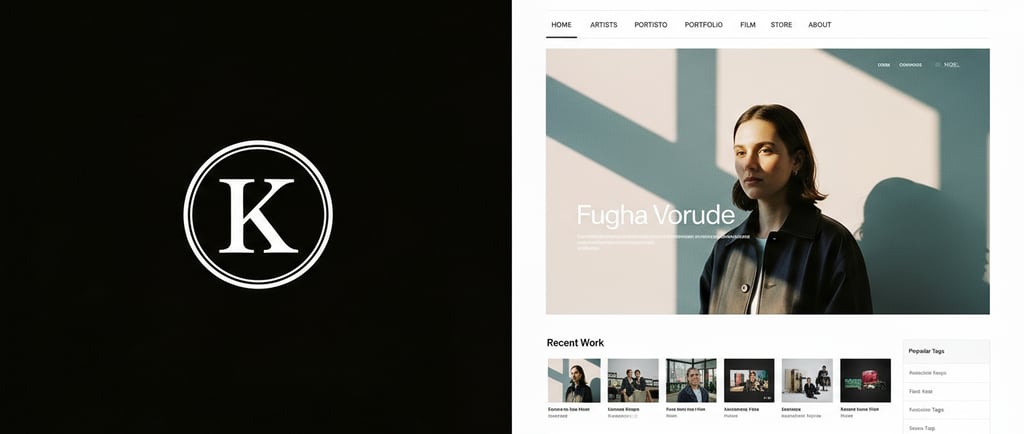
Let’s be blunt: building a website before defining your brand is like painting walls in a house you haven’t even designed yet.
It might look nice at first. But sooner or later, you realize the floorplan doesn’t make sense, the foundation is shaky, and you’re repainting everything because, honestly, it doesn’t feel like you anymore.
We see this mistake constantly: brands rushing to “get something live” with no brand strategy in place. You’ve got product photos, a logo, maybe even a tagline. So you think, “Let’s just launch the site and figure the rest out later.”
The problem is—later always costs more. And it usually requires redoing what you've already paid for.
Branding isn’t a luxury step before web development. It’s the blueprint for every word, image, and interaction on your website.
Skip it, and you’re not just wasting time—you’re burning trust, conversions, and consistency.
🧠 What Is Branding Really?
Let’s clear something up: branding is not just your logo or color palette.
Your brand is your identity. It’s what you stand for, how you talk, what you believe in, and how people feel after they interact with you. It’s your story, your strategy, and your emotional impact.
It shapes everything from the way your headline reads to the vibe of your About page, to whether a visitor clicks “Book a Call” or just bounces.
🚨 The Website-First Trap
Here’s what usually happens when businesses skip branding:
They jump into design without strategy
Hire a developer and a copywriter who have no clear direction
Spend 3 months going in circles with colors, layouts, and messaging
Launch a site that feels... okay, but not right
Six months later: “We’re rebranding.”
Sound familiar?
Websites are execution tools. They bring your existing brand to life online. But without that foundation, a website becomes a Frankenstein of styles, voices, and messaging gaps. Looks good in a vacuum, but confuses the hell out of your audience.
5 Reasons Why Branding Must Come First
Let’s dig deeper into why this matters so much.
1. Your Website Needs a Voice — Branding Finds It
Great websites aren’t just pretty—they speak.
They have tone. Personality. Emotion. They either sound confident and bold or calm and trustworthy or quirky and fun. That voice doesn’t magically appear—it’s defined through branding.
Without a clear voice guide, copywriters default to safe, corporate, or generic language. You end up with a site that sounds like everyone else—and says nothing real.
Brand strategy defines how your brand should feel to someone reading your content. It sets the emotional tone and makes sure that whether it’s your homepage or your help center, it always sounds like you.
2. Positioning Drives Design and Navigation
Think about this: how you position your brand—premium vs. affordable, niche vs. broad, disruptive vs. safe—affects every design and layout decision.
Do you need long-form storytelling or short, punchy product blurbs?
Should your homepage lead with emotion or value props?
Are you targeting first-time buyers or seasoned professionals?
If you don't define these answers through branding first, your site layout becomes a guessing game. And guesswork is not a strategy.
3. Visual Identity Has to Mean Something
Yes, your designer can pick a color palette and slap together a logo. But if those visual choices aren’t rooted in meaning, they won’t connect.
Branding guides the visual direction with intent. It asks:
What colors make sense based on psychology and your audience?
What fonts reflect your personality and industry position?
What design choices reinforce your message and values?
Without that context, visuals become random aesthetics—not tools for connection.
4. Your Site Needs to Tell a Cohesive Story
Websites aren’t just information dumps—they’re journeys. And every section should work together to tell your brand’s story.
If your site jumps from value props to testimonials to pricing with no emotional through-line, users get lost. Or worse—they bounce.
Branding helps you map the story first: Who are we? What do we solve? Why do we matter? Then you build your site around that narrative.
Good storytelling builds trust. Good trust drives conversion.
5. Doing Branding First Actually Saves Time and Money
This might surprise people—but branding before web development actually speeds things up.
Why?
Because when you hand your web team a clear brand guide, message pillars, tone of voice doc, and audience profiles… guess what? They don’t have to guess. They can build.
No more redesigns mid-project. No more rewriting your About page five times. No more "This just doesn’t feel right.”
You get clarity → they get direction → everyone gets momentum.
📌 So What Should You Do Before Building a Website?
Here’s your quick-start branding checklist:
✅ Define your brand’s mission, vision, and values
✅ Clarify your audience and positioning
✅ Create a tone of voice guide
✅ Outline your key messages and value pillars
✅ Develop a visual brand direction
✅ Build a simple brand style guide
Once you’ve done that? Then it’s time to wireframe, design, and write with confidence.
💬 Final Thought: Build Your Brand Before You Build Your Site
If you take one thing from this post, let it be this:
Your website is not your brand. It’s your brand’s translation.
If the core is weak, the site will crumble—no matter how sleek the interface looks.
So take the time to get your branding right. It’s not fluff. It’s not extra. It’s the compass for every decision that follows.
Your future self—and your future customers—will thank you.
👉 Thinking of launching a website or rebranding soon?
Reach out to us so we can teach you the skills you need to own this function!
©Branded Differently 2025. All rights reserved.